I think we’ve been taught to look at gardens the wrong way.
We’re told to chase perfection—straight rows, spotless beds, flawless blooms, and harvests that arrive exactly on schedule. When something dies, we assume we’ve failed.
Nature doesn’t work that way.
The longer I spend outside, the more I realize that a garden isn’t something we create. It’s something we participate in.
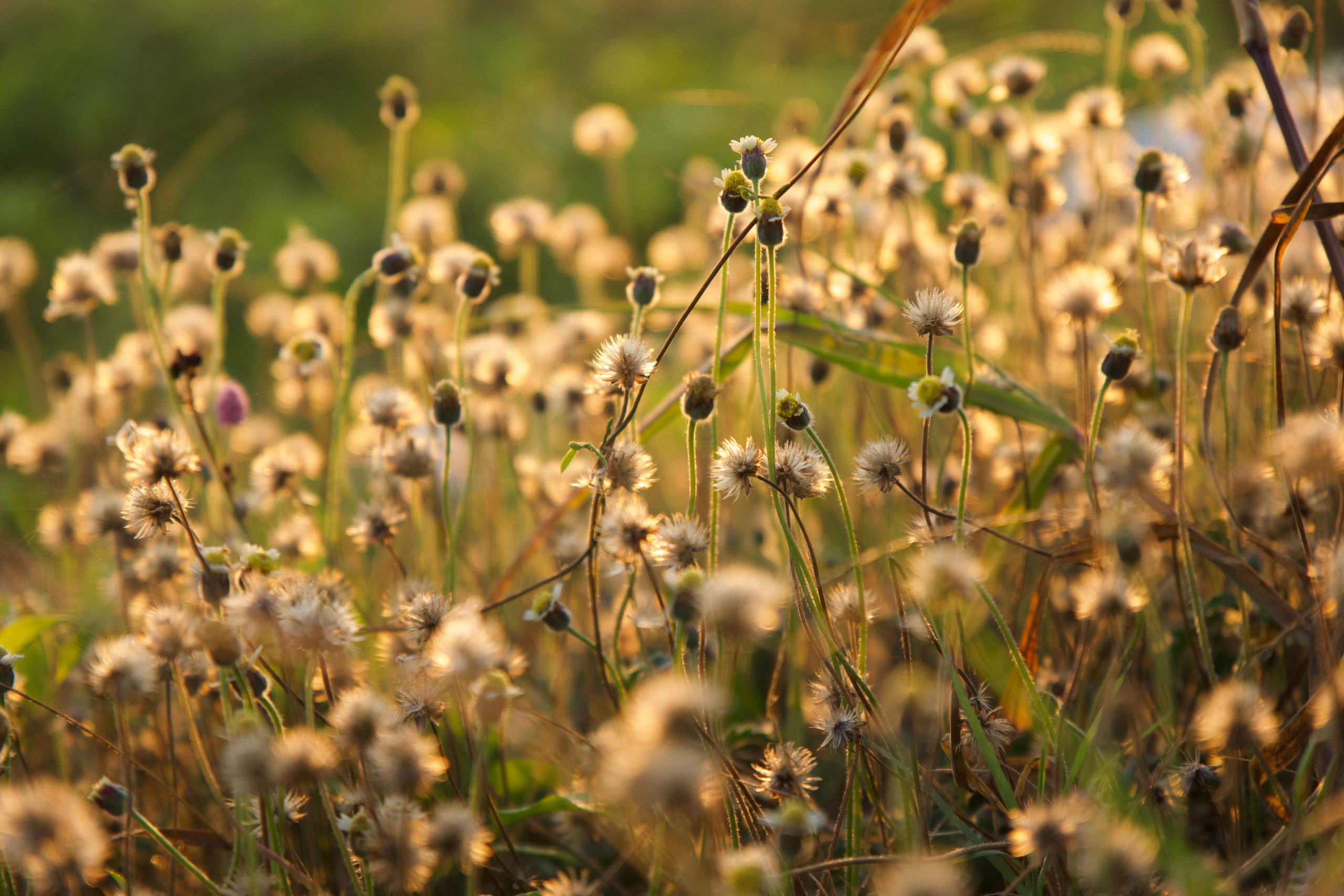
Every season reminds me how little control we actually have. The wind changes direction. A week of unexpected rain transforms an entire planting plan. One flower thrives where another refuses. Some of the most beautiful moments happen because I stopped trying to force an outcome and started paying attention instead.
I’ve learned that observation is often more valuable than instruction.
If you sit quietly in a garden long enough, it begins to tell you what it needs.
The soil reveals where it’s tired.
The insects tell you whether your ecosystem is balanced.
The weeds point toward compaction, moisture, or disturbance.
The plants themselves become teachers if you’re willing to notice the small details.
This journal is an attempt to document those conversations. 00000
Not because I’ve mastered gardening.
Quite the opposite.
The more I learn, the more I realize that the best growers aren’t the ones who know every answer. They’re the ones who keep asking better questions.
Why did this flower bloom two weeks earlier?
Why do the healthiest plants always seem to attract the most life?
Why does one corner of the field feel completely different from another only a few yards away?
Those questions have shaped the way I farm, the way I design gardens, and even the way I see the world.
You’ll find practical guides here. There will be cut flowers, herbs, soil, design ideas, projects, and lessons from the farm.
But underneath all of that is something simpler.
A belief that gardens aren’t just places where we grow plants.
They’re places where we learn to pay attention.
And paying attention changes everything.